
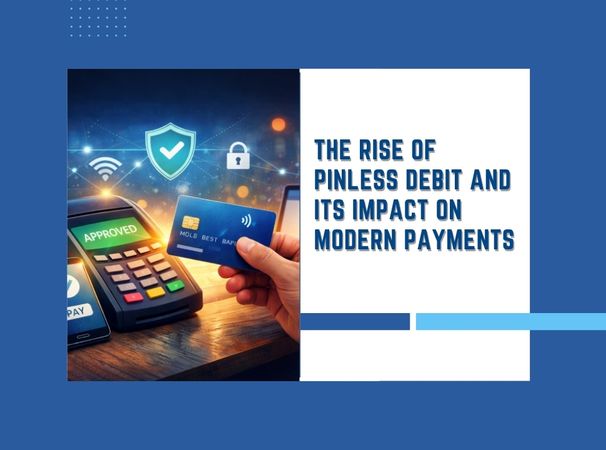
Payment systems are evolving rapidly, driven by consumer demand for speed, simplicity, and security. Over the last decade, traditional debit card transactions requiring a PIN have gradually started to give way to methods that reduce friction and make payments more convenient. One approach that has gained attention is the ability to authorize payments without entering a PIN. This method is particularly useful in situations like small retail purchases, recurring bills, and mobile app payments, where convenience can dramatically improve the user experience.
How Modern Debit Payments Have Evolved
Traditionally, debit card transactions required a PIN for verification. This method ensured that only the cardholder could authorize payments, providing a layer of security against fraud. However, as digital payments grew in volume and complexity, the limitations of requiring a PIN became apparent. Enter newer debit methods that streamline the process while maintaining security. These systems allow users to complete transactions with minimal input, relying on network verification, encrypted authentication, and other safeguards. The result is a faster, smoother experience that fits the pace of today’s digital-first lifestyle.
Convenience for Consumers
Consumers have quickly noticed the benefits of simplified debit transactions. With fewer steps required at checkout, whether online or in person, completing a purchase becomes almost effortless. Subscriptions for streaming services, recurring utility bills, and mobile in-app purchases are just a few examples where eliminating the need for a PIN reduces friction. Additionally, contactless payments and mobile wallets have grown alongside these methods, providing users with options to pay without slowing down their day. The focus is on convenience, giving people more control over how and when they pay.
Benefits for Businesses
Businesses, too, see clear advantages. Reduced checkout times mean smoother operations, whether in a physical store or on an e-commerce platform. Customers spend less time waiting, and the likelihood of abandoned online carts decreases. Retailers also face fewer operational hurdles, as fewer input errors occur when PIN entry is removed from the process. In environments with high transaction volumes, this small change can significantly improve efficiency and customer satisfaction.
Security Without Compromise
A natural concern when eliminating a traditional PIN is security. However, modern systems use multiple layers of protection to safeguard transactions. These measures include tokenization, which hides card numbers from potential threats, real-time monitoring for unusual activity, and spending limits that can be customized by the account holder. While the process removes a step traditionally associated with security, it does not compromise the overall safety of the transaction. In fact, these newer protections often detect fraudulent activity faster than the old PIN-based system could.
Real-World Applications
Several real-world scenarios highlight the utility of these methods. Subscription services often charge recurring fees without requiring a PIN, ensuring uninterrupted service. Retail purchases, especially low-value items, benefit from faster checkouts. Mobile apps and digital platforms increasingly use these systems to streamline payment within their ecosystems. Even in physical stores, contactless payments allow consumers to complete transactions quickly, making it ideal for coffee shops, convenience stores, and public transportation.
The Role of Financial Institutions
Financial institutions play a crucial part in enabling and regulating these transactions. Many banks now allow users to set preferences, such as limiting transaction amounts or opting out entirely if they prefer traditional PIN-based verification. Mobile banking apps make it easy to manage these options, giving consumers more control over their spending and security settings. This level of flexibility ensures that convenience does not come at the cost of safety.
Looking Ahead
The evolution of debit payments is far from over. As more consumers adopt mobile wallets, digital platforms, and contactless technologies, payment systems will continue to shift toward frictionless experiences. Emerging technologies such as biometric verification, AI-driven fraud detection, and blockchain-based authentication could further enhance these processes, making payments faster, safer, and more intuitive. The overarching trend is clear: people want to pay quickly without unnecessary steps, and financial systems are adapting to meet that expectation.
Modern consumers are increasingly valuing convenience as much as security, and businesses that embrace these changes benefit from greater efficiency and improved customer satisfaction. By adopting streamlined payment options, both merchants and consumers gain flexibility, speed, and confidence in every transaction.
CFOInfoPro empowers finance professionals to make informed decisions by delivering critical insights and essential content.