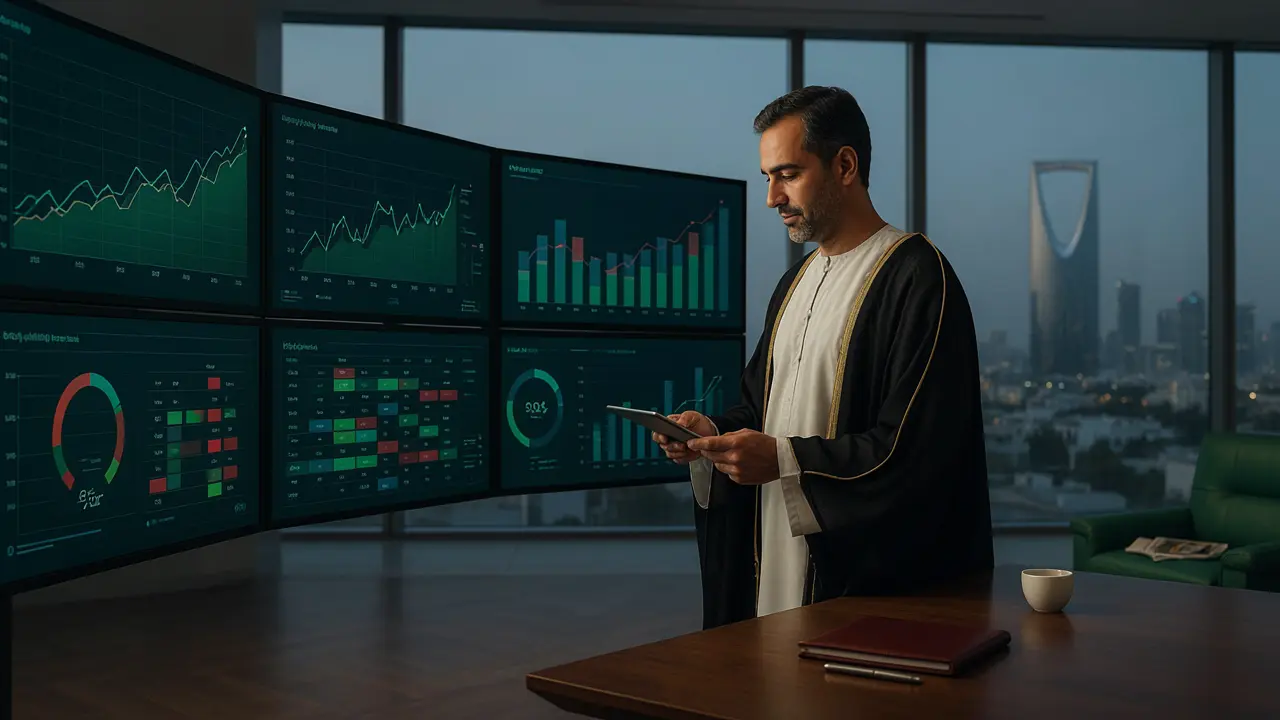
The financial world is entering 2026 with consumers, businesses, and investors facing a rapidly changing economic environment. Technology is reshaping how people manage money, while shifting consumer behavior and evolving financial services are creating new opportunities.
Against this backdrop, understanding emerging money trends can help individuals and organizations make more informed financial decisions. Rather than reacting to every market movement, a clearer understanding of where finance is heading can support better planning and more confident choices.
Digital Finance Becomes More Personalized
Financial technology continues to make money management more convenient and personalized. Digital banking platforms, automated budgeting tools, and intelligent financial applications are helping users understand their spending and saving habits more effectively.
Moreover, artificial intelligence is making financial recommendations increasingly responsive to individual behavior. Instead of relying entirely on generic advice, users can receive insights based on their financial goals, transaction patterns, and risk preferences.
This development also connects with broader Technology insights, as financial platforms increasingly integrate advanced analytics and automation into everyday services. Consequently, consumers can access sophisticated financial tools without necessarily needing extensive financial expertise.
Smarter Investing Through Automated Platforms
Investment technology is also changing how people approach wealth building. Robo advisors and automated investment platforms can help users construct portfolios according to their goals and risk tolerance.
Furthermore, these platforms can simplify portfolio monitoring and rebalancing. For individuals who prefer a more accessible approach to investing, automation can reduce some of the complexity associated with traditional investment management.
However, convenience should not replace careful decision making. Investors still need to understand fees, risk, diversification, tax considerations, and the objectives behind their portfolios.
The growing popularity of automated investing reflects an important shift within Finance industry updates, where digital tools are becoming an increasingly visible part of the financial ecosystem.
Financial Wellness Gains Greater Attention
Another important development is the growing focus on financial wellness. Employees and consumers are increasingly looking beyond income alone and considering how effectively they can manage savings, debt, emergency funds, and long term financial goals.
As a result, employers are also exploring ways to support financial wellbeing as part of broader employee benefits. Financial education, planning resources, and digital tools can help employees develop healthier financial habits.
This trend aligns with HR trends and insights, particularly as organizations recognize that financial stress can affect workplace satisfaction, productivity, and engagement. Therefore, supporting financial wellbeing can become part of a broader strategy for building a more resilient workforce.
AI Changes Everyday Financial Decisions
Artificial intelligence is becoming an important force across financial services. From fraud detection to personalized recommendations, AI can analyze large amounts of information and identify patterns that would be difficult to recognize manually.
In addition, AI powered applications can help users categorize expenses, identify unusual spending, and explore potential savings opportunities. Financial institutions are also using advanced analytics to improve customer experiences and streamline operational processes.
Nevertheless, responsible implementation remains essential. Users should understand how financial recommendations are generated and what data is being used. Transparency and security will become increasingly important as intelligent financial services become more widespread.
These developments are also reflected in ongoing IT industry news, where financial technology remains one of the major areas of digital innovation.
Consumers Become More Value Conscious
Changing economic conditions are influencing how consumers evaluate purchases. People are increasingly comparing prices, assessing subscriptions, reviewing financing options, and looking for greater value from everyday spending.
Consequently, businesses are adjusting their approaches to customer acquisition and retention. Personalized offers, flexible payment options, and stronger customer relationships are becoming increasingly important.
For companies, these shifts create opportunities to connect financial awareness with customer behavior. Businesses that understand what customers value can develop more effective Sales strategies and research while avoiding approaches that simply encourage unnecessary spending.
Marketing Becomes More Financially Aware
Financial considerations are also influencing marketing behavior. Consumers have access to more information than ever, making it easier to compare products, evaluate reviews, and question whether a purchase offers genuine value.
Therefore, marketers are increasingly focusing on trust, transparency, and measurable customer value. Content that clearly explains pricing, benefits, and long term usefulness can be more effective than messaging based purely on urgency.
This direction is closely connected with Marketing trends analysis, particularly the movement toward personalized communication and data informed customer experiences.
Technology and Finance Continue to Converge
The relationship between technology and finance will become even stronger throughout 2026. Digital wallets, intelligent financial applications, automated investment services, and advanced analytics are creating a financial environment where technology plays a central role.
At the same time, consumers will need to become more selective. Not every new financial application will provide meaningful value, and convenience should always be balanced with privacy, security, cost, and reliability.
For businesses, staying informed about technological developments can provide an advantage when evaluating new financial tools and operational opportunities.
Valuable Insights for Smarter Financial Moves
The biggest lesson from emerging money trends is that smarter financial decisions do not necessarily require following every new innovation. Instead, individuals and organizations should focus on tools and strategies that genuinely support their financial objectives.
Before adopting a new financial platform, consider its costs, security practices, transparency, and long term usefulness. Similarly, when evaluating investment opportunities, focus on diversification and personal risk tolerance rather than short term excitement.
Businesses can take a similar approach by combining financial technology with sound planning and careful analysis. Ultimately, the strongest financial moves come from understanding change while remaining disciplined about fundamental financial principles.
Stay informed with practical perspectives on finance, technology, business strategy, and emerging market developments through CFOInfoPro.
Reach out to CFOInfoPro for valuable insights that can help you make more informed financial and business decisions.