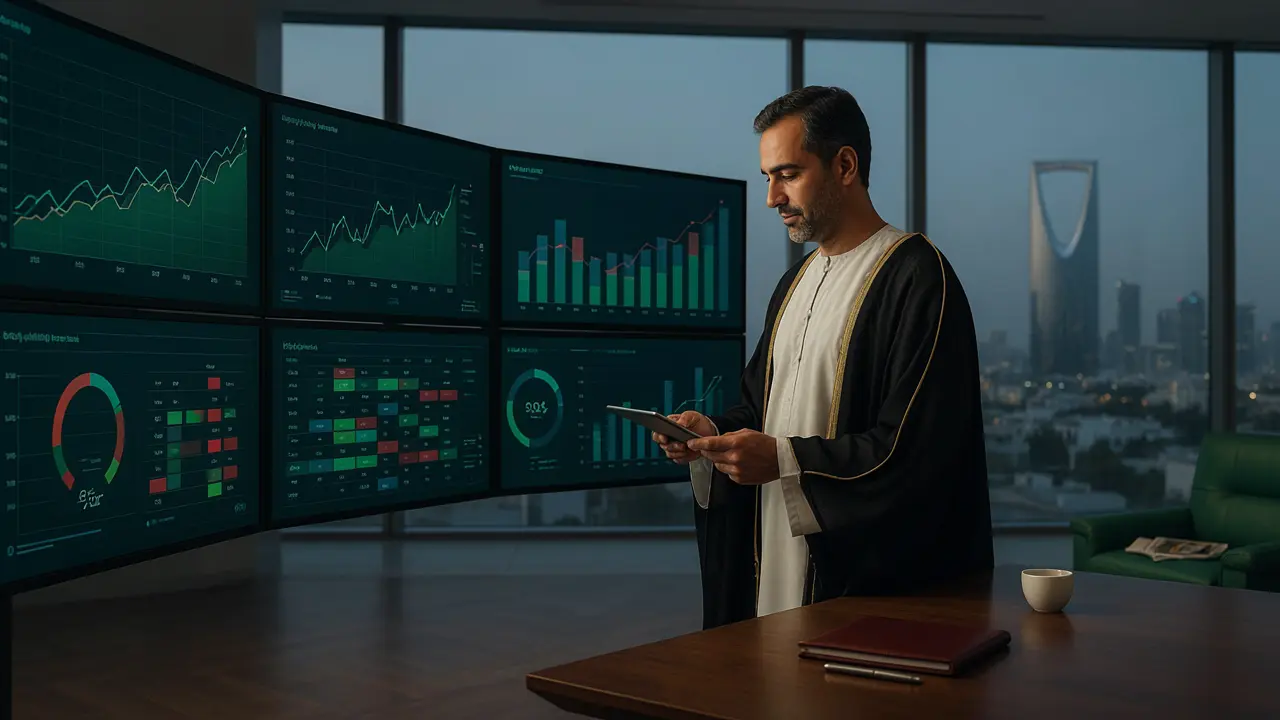
The investment landscape is changing rapidly as technology, investor expectations, regulation, and economic uncertainty reshape the financial sector. In 2026, asset management firms are focusing not only on generating returns but also on improving efficiency, understanding clients, and responding quickly to market changes.
At the same time, advances in artificial intelligence and data analytics are creating new opportunities for investment professionals. Consequently, firms that combine technology with strong financial expertise can build more resilient operating models and deliver better experiences for investors.
Understanding the latest asset management trends can therefore help firms prepare for changing expectations and identify opportunities for sustainable growth.
Artificial Intelligence Becomes More Practical
Artificial intelligence is moving from experimentation toward practical applications across investment operations. Firms are increasingly exploring AI for research, portfolio analysis, risk monitoring, client communication, and administrative processes.
Moreover, machine learning can process large volumes of financial information considerably faster than traditional approaches. This can help investment teams identify patterns, evaluate scenarios, and support more informed decisions.
However, successful implementation requires appropriate governance. Firms must ensure that AI generated insights are reviewed carefully and supported by reliable data. As a result, technology should enhance professional judgment rather than replace it.
These developments are also closely connected with broader Technology insights, particularly the growing role of intelligent systems in highly regulated industries.
Personalized Investment Experiences Gain Importance
Investors increasingly expect financial services to reflect their individual circumstances and objectives. Therefore, asset managers are placing greater emphasis on personalization across digital platforms and advisory services.
Data analytics can help firms understand investor preferences, risk tolerance, financial goals, and engagement patterns. Subsequently, firms can provide more relevant communications and investment information.
Personalization can also strengthen long term relationships. When investors receive information that reflects their needs rather than generic messages, they may feel more connected to the institution managing their assets.
Digital Transformation Reshapes Operations
Digital transformation continues to influence how asset managers operate behind the scenes. Cloud infrastructure, automated workflows, advanced analytics, and integrated platforms can reduce repetitive work while improving access to information.
Furthermore, automation allows employees to spend more time on higher value activities such as research, relationship management, and strategic planning. This can improve productivity while reducing operational complexity.
The broader IT industry news landscape also shows how financial organizations are increasing investments in digital infrastructure. Consequently, firms that delay modernization may face higher costs and slower decision making over time.
Sustainable Investing Evolves
Sustainable investing remains an important consideration for many investors, although expectations around environmental and social factors continue to evolve. Firms are becoming more focused on transparency, measurable outcomes, and the quality of sustainability related information.
Rather than treating sustainability as a standalone investment theme, some organizations are incorporating relevant factors into broader risk and portfolio analysis.
Meanwhile, regulatory developments are encouraging firms to communicate more clearly about investment approaches and sustainability claims. Therefore, credible data and transparent reporting are becoming increasingly important.
Data Becomes a Strategic Asset
Investment firms generate and consume enormous quantities of information. Market data, customer information, economic indicators, transaction records, and alternative data can all contribute to investment decisions.
Consequently, effective data management is becoming a strategic priority. Firms need systems that make information accessible while maintaining strong security and governance.
Better data can also support forecasting and scenario analysis. As analytics capabilities improve, investment professionals can evaluate market conditions from multiple perspectives and respond more confidently to uncertainty.
This development connects with Finance industry updates, where data driven decision making is becoming increasingly important across financial organizations.
Workforce Skills Continue to Change
Technology is transforming investment firms, but people remain central to successful financial operations. As digital tools become more sophisticated, employees need a combination of financial knowledge, analytical ability, technological awareness, and communication skills.
Therefore, firms are placing greater emphasis on continuous learning and professional development. Employees who understand both financial markets and emerging technology can help organizations adapt more effectively.
These developments also align with broader HR trends and insights, particularly the growing importance of reskilling and workforce adaptability.
Leadership teams must consequently create environments where employees can learn new tools without losing focus on fundamental financial principles.
Alternative Investments Attract Attention
Investor interest in alternative assets continues to influence portfolio strategies. Private markets, infrastructure, real estate, private credit, and other alternative opportunities can provide diversification and access to different sources of potential returns.
However, these investments can involve additional complexity, limited liquidity, and different risk considerations. Therefore, firms need robust research and appropriate investor education before expanding exposure.
In addition, technology can make it easier to analyze alternative investment opportunities and monitor portfolio performance. This creates new possibilities for firms that can combine sophisticated research with effective risk management.
Client Communication Becomes More Strategic
Investors now expect faster, clearer, and more accessible communication. Consequently, asset managers are improving digital experiences while exploring new ways to provide timely market information.
Clear communication can become particularly valuable during periods of volatility. Investors who understand why portfolios are performing differently or why strategies are changing may be more likely to remain confident during uncertain markets.
Furthermore, insights from Sales strategies and research can help firms understand how communication influences client relationships and retention.
Competitive Positioning Depends on Adaptability
The financial industry is becoming increasingly competitive. Technology providers, traditional asset managers, digital platforms, and specialized investment firms are competing for investor attention and capital.
As a result, firms need to differentiate themselves through a combination of investment expertise, service quality, technology, and trust. Strong digital capabilities alone may not be enough.
Similarly, Marketing trends analysis highlights the importance of communicating value clearly in an environment where investors have more choices than ever.
Valuable Insights for Financial Leaders
The most important lesson from current asset management trends is that successful firms will need to balance innovation with discipline. Adopting new technology can create meaningful advantages, but only when it solves a genuine business or client problem.
Financial leaders should regularly evaluate their technology infrastructure, workforce capabilities, data practices, client experience, and investment strategies. At the same time, they should monitor regulatory developments and changing investor expectations.
Ultimately, adaptability will be one of the strongest advantages in the evolving investment environment. Firms that combine human expertise with responsible technology adoption can position themselves for sustainable growth throughout 2026 and beyond.
Stay informed about emerging financial developments, business technology, and strategic opportunities with CFOInfoPro.
Reach out to CFOInfoPro for practical insights that can help financial leaders make smarter decisions in a changing market.