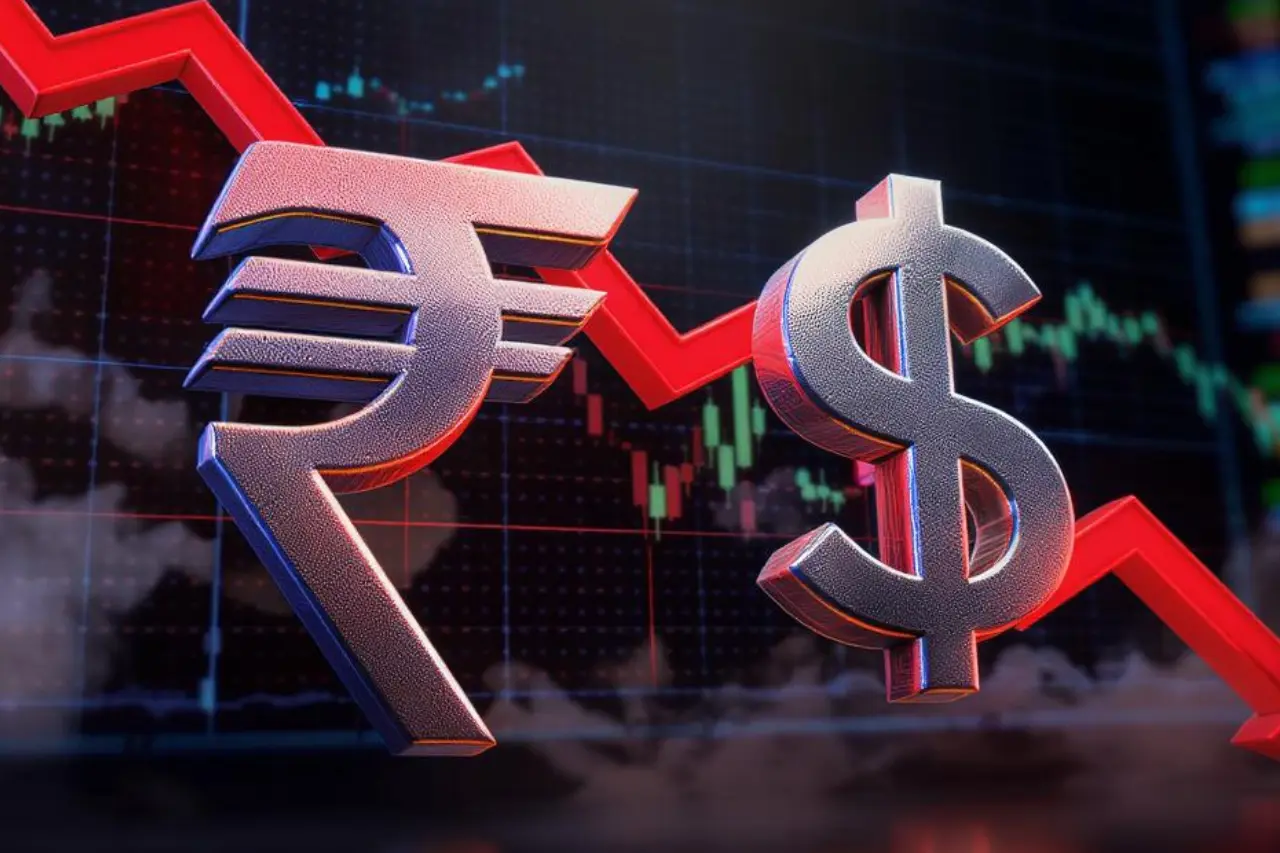


Global markets react to shifting interest rate signals in ways that often ripple across economies with surprising speed. Interest rates influence borrowing costs investment decisions and consumer behavior which makes them one of the most closely watched indicators in the financial world. When central banks adjust their stance markets respond almost instantly reflecting new expectations about growth inflation and liquidity.
At the same time investors are becoming more data driven. They rely not only on Finance industry updates but also on broader economic indicators to interpret market direction. As a result the reaction of global markets is no longer limited to traditional sectors but extends into technology and workforce dynamics as well.
Interest rate signals act as a guiding force for capital allocation. When rates rise borrowing becomes expensive which can slow down business expansion and consumer spending. On the other hand lower rates encourage investment and liquidity which often boosts equity markets.
However the current environment feels more complex. Global markets react to shifting interest rate signals not just based on the rate change itself but also on forward guidance and policy tone. Therefore even subtle hints from central banks can trigger significant volatility.
Moreover Technology insights are now playing a larger role in interpreting these signals. Advanced analytics and predictive models help institutions anticipate policy moves which adds another layer of sophistication to market reactions.
Equity markets tend to respond quickly to interest rate expectations. When rates are expected to increase investors may shift toward defensive stocks or sectors with stable cash flows. Conversely growth oriented stocks often benefit when rates are expected to decline.
Meanwhile debt markets show a more direct relationship. Bond yields typically rise when interest rates increase and fall when rates decline. This inverse relationship affects portfolio strategies across institutional and retail investors.
In addition IT industry news frequently highlights how tech companies react differently to rate changes due to their reliance on future earnings. This creates sector specific movements within broader market trends.
Currency markets are equally sensitive. When a country raises interest rates its currency often strengthens as investors seek higher returns. This can impact export competitiveness and global trade flows.
As global markets react to shifting interest rate signals currency fluctuations become a key consideration for multinational companies. These movements influence pricing strategies supply chains and profit margins.
Furthermore Marketing trends analysis reveals how businesses adapt their global campaigns based on currency strength and regional demand shifts. This shows how deeply interconnected financial signals and business strategies have become.
Interest rate changes also shape corporate decision making beyond finance. Companies adjust hiring plans expansion strategies and operational budgets in response to changing borrowing costs.
For instance HR trends and insights indicate that organizations may slow recruitment during periods of rising rates due to tighter financial conditions. In contrast lower rates often encourage expansion and talent acquisition.
Additionally Sales strategies and research suggest that businesses refine their approach to customer engagement when economic conditions shift. This adaptability helps maintain revenue stability even during uncertain market phases.
Investor sentiment plays a crucial role in how global markets react to shifting interest rate signals. Sometimes the reaction is driven more by expectations than actual policy changes. This creates short term volatility that may not always align with long term fundamentals.
Consequently market participants must balance emotional responses with data driven analysis. Access to real time Finance industry updates helps investors stay informed and avoid reactive decisions.
At the same time digital platforms powered by Technology insights are enabling faster information dissemination which amplifies both positive and negative market reactions.
The current global landscape is marked by uncertainty as inflation trends geopolitical factors and economic recovery paths continue to evolve. Global markets react to shifting interest rate signals in ways that reflect this complexity.
Therefore diversification becomes essential. Investors and businesses alike must consider multiple scenarios and prepare for different outcomes. Staying informed through IT industry news and broader economic reporting provides a clearer perspective on potential risks and opportunities.
Moreover aligning financial strategies with long term goals rather than short term fluctuations can help mitigate the impact of market volatility.
Understanding how global markets react to shifting interest rate signals can empower better decision making across investments and business operations. It is important to track central bank communications closely while also analyzing broader economic indicators that influence policy direction.
In addition integrating insights from Finance industry updates and Marketing trends analysis can provide a well rounded view of market conditions. Businesses should remain flexible in their strategies while investors should focus on disciplined portfolio management.
Equally important is the use of digital tools that leverage Technology insights for forecasting and risk assessment. These tools enable more accurate planning and help navigate uncertain environments with confidence.
Connect with the CFOInfoPro team to explore strategic guidance that helps your organization stay ahead in a rapidly evolving global economy.
Source : userpilot.com





CFOInfoPro helps decision makers in finance to make the right decisions by providing essential content.
© 2026 CFOinfopro. All rights reserved.