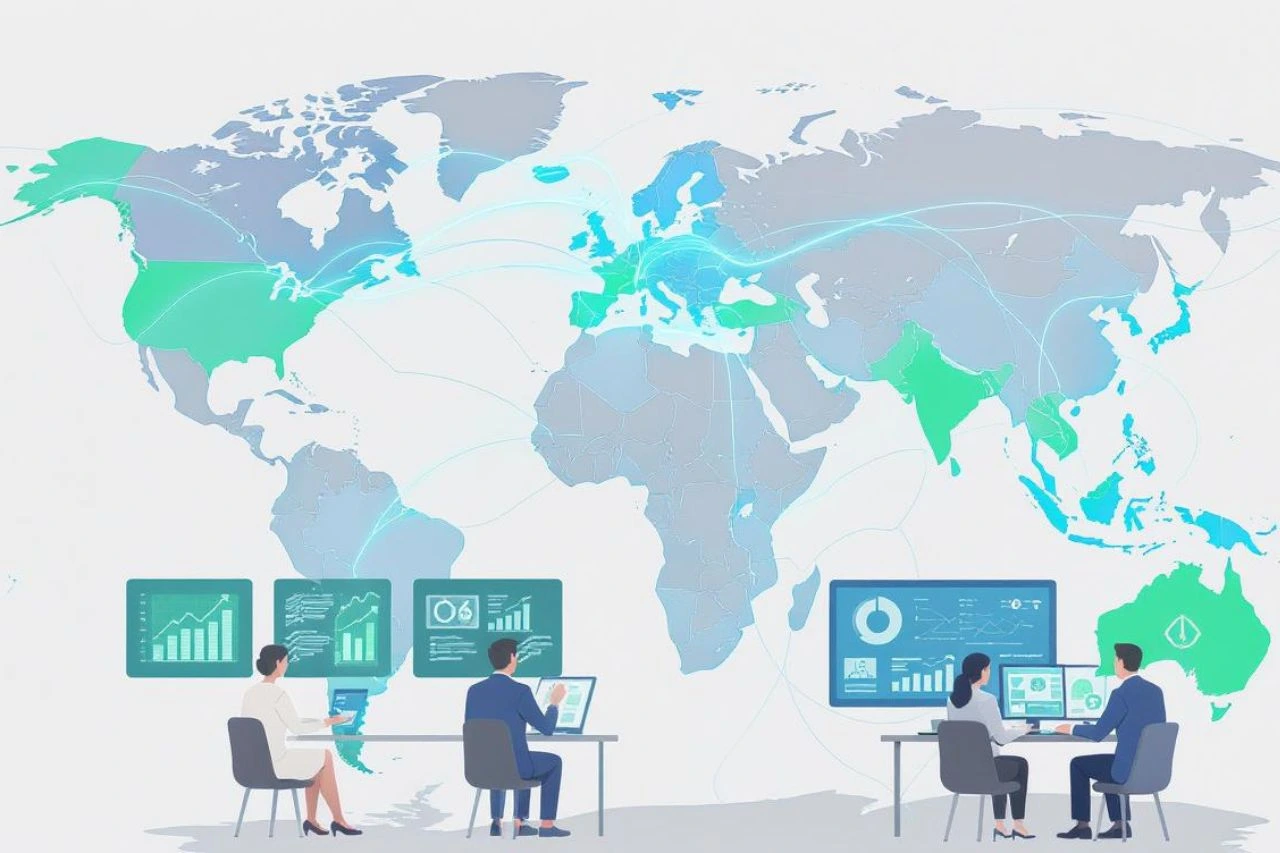

India trade deficit falls to 27.1B in February and the development has attracted attention across global financial markets. The change reflects a modest improvement in exports combined with a noticeable reduction in imports. As a result analysts and business leaders are closely examining what this shift could mean for trade stability and economic growth.
Trade balance plays an important role in shaping investor sentiment and macroeconomic planning. When the gap between exports and imports narrows it often signals adjustments in domestic demand, currency movement, and global trade flows. In this context the February data suggests that India is gradually navigating a complex international trade environment while maintaining momentum in several export driven sectors.
Exports in February experienced a small but meaningful increase. While the growth was not dramatic it still contributed to the fact that India trade deficit falls to 27.1B in February. Industries such as engineering goods, pharmaceuticals, and technology services continued to perform steadily in global markets.
Moreover digital transformation across industries has supported cross border business opportunities. Companies operating in technology driven ecosystems are adapting quickly to international demand. This environment has encouraged discussions around technology insights and innovation strategies that help exporters remain competitive.
At the same time businesses are monitoring global demand trends very closely. Economic conditions in major markets such as the United States and Europe still influence export performance. Therefore even a moderate increase in shipments reflects resilience in a time of shifting global demand patterns.
A key factor behind the improvement is the reduction in imports. Lower purchases of certain commodities including energy products and precious metals played a role in narrowing the trade gap. Consequently India trade deficit falls to 27.1B in February largely because import volumes softened compared with earlier months.
Changes in domestic demand and inventory cycles may also influence import patterns. Businesses often adjust procurement strategies based on price volatility and currency movement. For instance companies may delay purchases when global commodity prices fluctuate sharply.
In addition economic planners often interpret declining imports as a sign of improving self reliance in selected sectors. Manufacturing capacity within the country continues to expand which may gradually reduce dependency on certain imported goods over time.
From a financial standpoint the fact that India trade deficit falls to 27.1B in February brings a degree of reassurance to policymakers and investors. A narrower deficit can support currency stability and improve confidence in external balances.
Finance industry updates frequently highlight the importance of trade data because it influences inflation expectations and interest rate planning. For example when imports decline it can reduce pressure on foreign exchange reserves and limit volatility in the domestic currency.
Furthermore global investors track these indicators when evaluating emerging markets. A healthier trade balance can strengthen investor perception regarding economic stability and policy direction.
Trade trends rarely exist in isolation. Instead they interact with developments across multiple industries. Technology companies are expanding global service delivery while manufacturing firms are seeking new export markets. This constant evolution fuels ongoing IT industry news and digital innovation discussions.
Meanwhile organizations are adjusting workforce strategies to support international expansion. Many companies are investing in specialized talent capable of managing supply chains, international finance, and regulatory compliance. These developments naturally align with emerging HR trends and insights across global enterprises.
The commercial environment is also evolving rapidly. Companies involved in cross border commerce continue to refine their sales approaches. Market research teams are exploring sales strategies and research that identify new demand pockets in Asia, Europe, and North America.
Marketing leaders are equally focused on adapting to changing global consumer behavior. Market expansion requires careful communication strategies and data driven campaigns. As a result marketing trends analysis now plays an increasingly important role in international trade growth.
The global economy remains a significant factor shaping India’s trade performance. Supply chain adjustments, geopolitical tensions, and energy price fluctuations continue to influence trade flows around the world.
Even so the fact that India trade deficit falls to 27.1B in February demonstrates how economic resilience can emerge despite external uncertainties. Businesses are becoming more agile in managing supply chains and exploring alternative sourcing channels.
Additionally government initiatives aimed at boosting domestic manufacturing and export competitiveness are gradually reshaping the trade landscape. Programs designed to encourage local production and attract foreign investment may continue to reduce reliance on imports in the future.
Trade data often offers deeper lessons for decision makers. When India trade deficit falls to 27.1B in February it highlights the importance of balanced growth across exports, domestic manufacturing, and import management. Businesses that operate in global markets must continuously evaluate supply chain strategies and market diversification.
Companies should closely monitor currency movement, commodity prices, and international policy changes. These elements can significantly influence procurement planning and export competitiveness. At the same time digital tools that provide technology insights can improve forecasting accuracy and operational efficiency.
Leaders who integrate data driven decision making with strong market research are better prepared to navigate global trade volatility. Understanding emerging IT industry news, finance industry updates, HR trends and insights, and marketing trends analysis helps organizations maintain resilience while identifying growth opportunities.
For executives responsible for international operations the current environment emphasizes adaptability. Building flexible supply networks and strengthening cross border partnerships can help businesses respond quickly to shifting economic conditions.
CFOInfoPro provides strategic intelligence and industry perspectives designed to help finance leaders and decision makers stay ahead in a rapidly evolving global economy. Connect with CFOInfoPro today to gain expert insights that support smarter financial and business strategies.
Source : financialexpress.com





CFOInfoPro helps decision makers in finance to make the right decisions by providing essential content.
© 2026 CFOinfopro. All rights reserved.