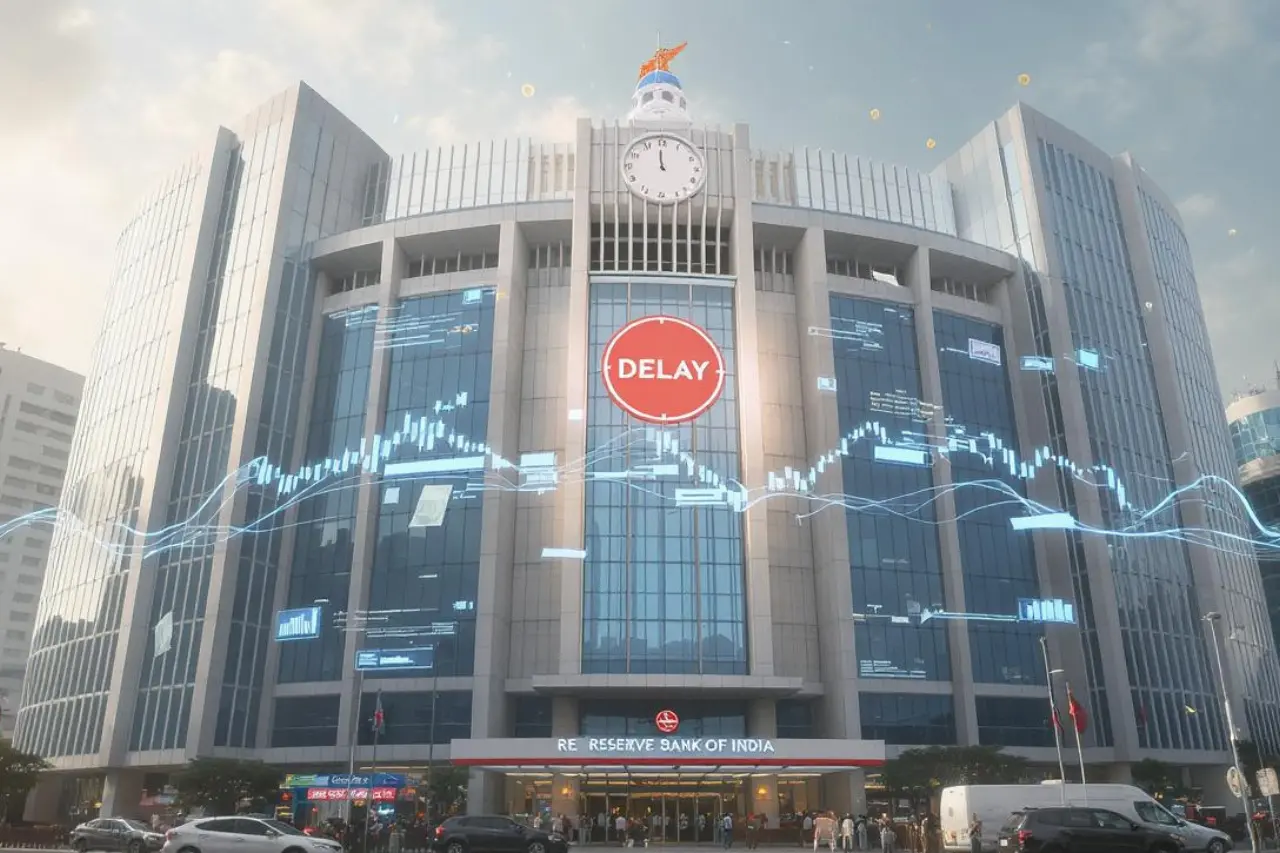


The recent session left investors concerned as Nifty at 8 Month Low Sensex Falls 1800 Points Key Reasons became one of the most searched financial topics. The sudden drop in benchmark indices reflects a mix of global uncertainty and domestic pressure that weighed heavily on investor sentiment.
At the same time, finance industry updates indicate that volatility has been building for weeks. Therefore, this fall was not entirely unexpected for those closely tracking market signals. However, the magnitude of the decline has raised fresh concerns among retail and institutional investors alike.
One of the primary triggers behind Nifty at 8 Month Low Sensex Falls 1800 Points Key Reasons is the impact of global economic conditions. Weak international markets, rising interest rates, and concerns around economic slowdown have created a ripple effect across emerging markets including India.
Moreover, IT industry news suggests that global tech stocks have been under pressure, which directly affects Indian indices due to heavy weightage of technology companies. As a result, negative sentiment from global markets quickly translated into domestic selling pressure.
Another major factor contributing to Nifty at 8 Month Low Sensex Falls 1800 Points Key Reasons is the consistent outflow of foreign institutional investments. When global investors shift capital towards safer assets, emerging markets tend to experience declines.
In addition, currency fluctuations and global risk aversion have made Indian equities less attractive in the short term. Consequently, sustained selling by foreign investors has amplified market weakness and increased volatility.
Inflation remains a critical concern for economies worldwide. As inflation rises, central banks often respond by increasing interest rates. This directly impacts borrowing costs and reduces liquidity in the market.
In the context of Nifty at 8 Month Low Sensex Falls 1800 Points Key Reasons, higher interest rate expectations have discouraged aggressive investment. Furthermore, businesses facing higher costs may see reduced profitability, which affects stock valuations.
Meanwhile, finance industry updates continue to highlight the delicate balance policymakers must maintain between controlling inflation and supporting growth.
Sector specific declines also played a significant role in the recent fall. Banking, IT, and metal stocks witnessed heavy selling, dragging indices lower. At the same time, investors engaged in profit booking after a period of market gains.
Technology insights reveal that companies in the digital and IT space are facing slower demand growth globally. As a result, stock prices in these sectors have adjusted to reflect new expectations.
Additionally, marketing trends analysis shows that changing consumer behavior and spending patterns are influencing corporate earnings outlooks across industries.
Apart from global influences, domestic factors have also contributed to Nifty at 8 Month Low Sensex Falls 1800 Points Key Reasons. Concerns related to economic growth, fiscal policies, and corporate earnings have created uncertainty among investors.
At the same time, HR trends and insights indicate that hiring trends in certain sectors are slowing down, which may signal cautious business sentiment. This, in turn, affects overall market confidence and investment decisions.
Furthermore, investors are becoming more selective, focusing on fundamentally strong companies while avoiding high risk bets.
Market behavior is often driven as much by emotion as by data. Fear and uncertainty can lead to rapid selling, even when long term fundamentals remain intact.
In this scenario, Nifty at 8 Month Low Sensex Falls 1800 Points Key Reasons highlights how quickly sentiment can shift. As negative news accumulates, investors tend to adopt a cautious approach, leading to further declines.
However, experienced investors often view such phases as opportunities rather than setbacks, especially when supported by strong research and disciplined strategies.
Understanding market cycles is essential for making informed decisions during uncertain times. Investors should focus on long term goals rather than reacting to short term fluctuations. Integrating sales strategies and research into investment planning can help identify resilient sectors and companies.
At the same time, staying updated with technology insights and finance industry updates allows investors to adapt to changing conditions. Careful portfolio diversification, risk management, and consistent monitoring of market trends can provide stability even during downturns.
Equally important is analyzing marketing trends analysis and aligning investments with sectors that show growth potential. By combining data driven strategies with disciplined execution, investors can turn challenging market phases into opportunities for future gains.
Stay ahead of market movements with expert financial insights and strategic guidance from CFOInfoPro. Connect with our team today to make smarter investment decisions and build long term growth.
Source : financialexpress.com





CFOInfoPro helps decision makers in finance to make the right decisions by providing essential content.
© 2026 CFOinfopro. All rights reserved.