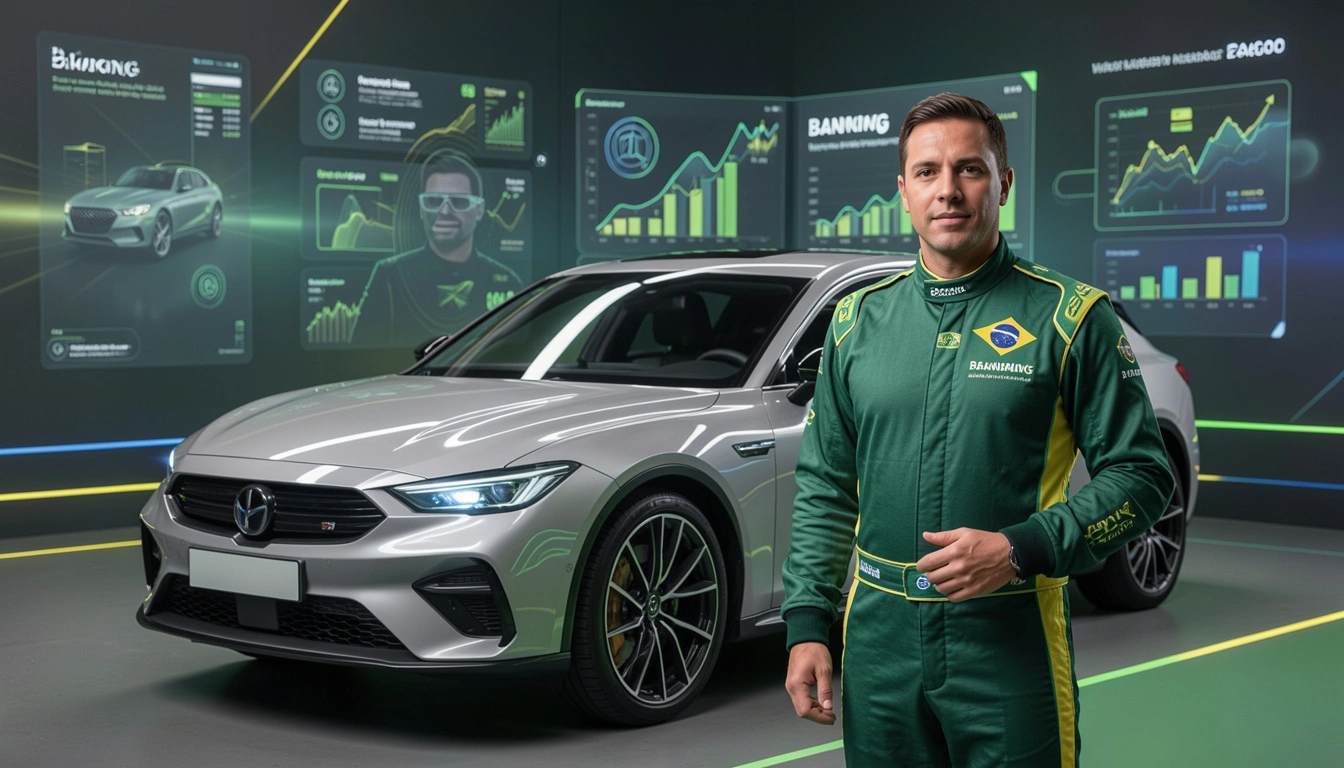
Brazil is widening access to vehicle financing for taxi and app drivers as the government expands its Move Brasil program. The latest change raises the maximum eligible vehicle value from R$150,000 to R$200,000, giving participating drivers access to a much broader range of cars. The updated rules also expand eligibility for hybrid vehicles, creating more options for professionals who depend on their cars for income.
The policy arrives as Brazil looks to modernize the passenger transport fleet while making vehicle ownership more accessible to working drivers. Consequently, the program has implications not only for individual borrowers but also for banks, automakers, dealerships, and the wider financial services sector.
A Larger Financing Window
The increase in the vehicle price ceiling is one of the most significant changes to the program. Previously, eligible vehicles were limited to R$150,000. Now, qualified participants can finance cars priced up to R$200,000 based on the value shown on the invoice.
According to Brazil’s Ministry of Development, Industry, Foreign Trade and Services, the higher threshold could expand the economic reach of eligible vehicles from approximately 63 percent to 88 percent of the country’s automotive sales market, based on 2025 registration data. Therefore, drivers have considerably more choice when evaluating vehicles for professional use.
For finance teams, this expansion could also create new opportunities to evaluate credit demand, vehicle affordability, and repayment capacity across a larger customer base.
Hybrid Vehicles Gain More Attention
Alongside the higher financing ceiling, the government has broadened the range of hybrid vehicles that can qualify. The updated rules allow different combinations of electric motors and combustion engines using alcohol, gasoline, or both.
This change reflects the growing importance of fuel efficiency and sustainability in Brazil’s transportation strategy. For drivers, hybrid vehicles can offer another route toward managing operating expenses. For financial institutions and automotive companies, meanwhile, the shift may accelerate demand for financing products connected to lower consumption vehicles.
Government data cited by the ministry indicates that eligible hybrid configurations can deliver an average energy consumption reduction of close to 24 percent compared with equivalent conventional versions.
How the Financing Program Works
The broader initiative was introduced with a potential credit allocation of up to R$30 billion for taxi drivers and app based drivers seeking new vehicles. The original program focused on cars meeting sustainability requirements and offered financing through participating financial institutions.
Drivers must first register through the official Move Brasil platform and authorize the use of information required to verify eligibility. The government states that applicants can receive an eligibility response within five business days. Once approved, the applicant can approach an authorized financial institution for the actual credit assessment and financing contract.
Importantly, eligibility for the program does not automatically guarantee loan approval. Financial institutions still conduct their own credit analysis before releasing funds.
Why This Matters for Financial Institutions
From a banking perspective, the expansion creates both opportunities and challenges. A larger eligible vehicle market could increase demand for auto loans while also requiring lenders to assess borrowers whose income may vary from month to month.
App drivers and taxi professionals often rely directly on their vehicles to generate revenue. Therefore, lenders need to consider income stability, existing obligations, operating costs, and repayment capacity when evaluating applications.
The program also includes support from guarantee mechanisms designed to make credit more accessible. The federal government previously included these professionals among categories eligible to use the FGI PEAC, a BNDES guarantee program that can cover part of the credit risk.
Opportunities for Automakers and Dealers
The policy could also reshape competition within Brazil’s automotive market. With the financing ceiling now reaching R$200,000, more models can potentially become relevant to professional drivers.
Consequently, manufacturers and dealerships may have an opportunity to develop financing campaigns, fleet packages, maintenance services, and ownership solutions specifically for drivers who use vehicles as working assets.
Furthermore, greater access to financing could support fleet renewal. Newer vehicles may provide improved fuel efficiency, safety features, comfort, and reliability, all of which can influence the economics of professional passenger transportation.
Finance Industry Updates and Broader Economic Effects
These developments represent an important area of finance industry updates because the program connects consumer credit with employment, transportation, and industrial policy.
When drivers can replace older vehicles with newer models, the benefits can extend beyond the individual borrower. Vehicle purchases can generate activity for manufacturers, dealerships, insurers, maintenance providers, and financial institutions.
At the same time, lenders must remain disciplined. Easier access to credit should not replace responsible underwriting. Instead, better data and more accurate assessments can help financial institutions expand lending while managing risk.
Technology Insights for Smarter Lending
Technology is also becoming increasingly important in modern credit decisions. Digital identity systems, automated eligibility checks, data integration, and advanced risk models can make financing applications faster and more transparent.
These developments connect with wider Technology insights across financial services, where automation and analytics are helping institutions serve customers with greater speed. Similarly, IT industry news continues to highlight the importance of digital platforms in improving financial accessibility.
For lenders, the opportunity is not simply to approve more loans. Rather, it is to create smoother customer experiences while maintaining strong controls around affordability, fraud prevention, and responsible lending.
Valuable Insights for Businesses and Finance Leaders
The expansion of the Brazilian vehicle financing program shows how government backed credit can influence several industries at once. Finance leaders should watch how higher vehicle limits affect loan demand, borrower profiles, vehicle prices, and repayment performance.
Businesses can also examine how changing financing conditions influence customer behavior. In automotive markets, stronger access to credit may create opportunities for targeted sales strategies and research. Meanwhile, HR trends and insights can help organizations understand how transportation costs and vehicle ownership affect workers who depend on flexible employment.
Marketing trends analysis can also play a role as financial institutions and automotive brands compete to communicate new financing opportunities effectively.
For CFOs, the larger lesson is clear. Changes in public financing policy can quickly influence consumer demand, operational planning, credit exposure, and investment decisions. Monitoring such developments early can help organizations respond before market conditions fully shift.
Stay informed with practical analysis of finance industry updates, technology insights, and emerging business trends that influence financial decision making.
Reach out to CFOInfoPro for informed perspectives that help finance leaders understand market changes and make smarter strategic decisions.
Source – valorinternational.globo