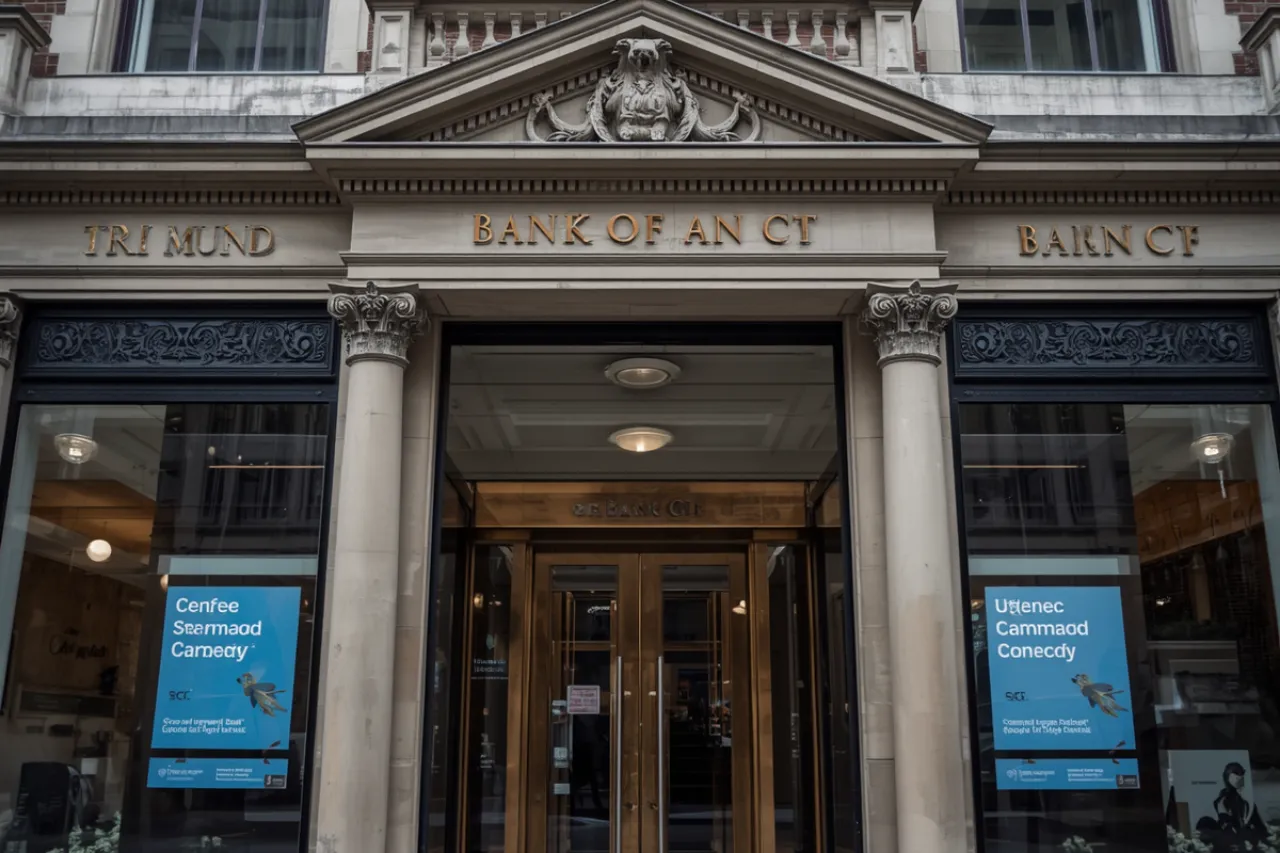
Nigeria’s tax environment continues to attract attention as businesses, financial institutions, and consumers assess the implications of regulatory changes. The Nigeria Revenue Service (NRS) has clarified the application of Value Added Tax (VAT) to banking services, emphasizing that the clarification does not introduce a new tax. Instead, it addresses questions about how existing VAT rules apply to certain banking transactions and services.
The announcement is important because banking charges affect individuals, small businesses, and large organizations. Consequently, understanding the difference between a new tax and the application of an existing tax rule can help prevent confusion. Moreover, clear communication allows businesses to review their financial processes without reacting to inaccurate reports or assumptions.
What the NRS Clarification Means for Banking Customers
The statement that no new taxes have been introduced is central to understanding the announcement. A clarification of existing tax provisions does not necessarily mean that every banking service is taxable or that every customer will face additional charges. The treatment of a particular transaction depends on the applicable VAT rules and the nature of the service involved.
For customers, therefore, it is important to examine bank statements and published fee schedules carefully. If a charge appears unfamiliar, contacting the bank for an explanation can help establish whether it relates to an existing service fee, an applicable tax, or another transaction cost.
Similarly, businesses should distinguish between the underlying banking fee and any VAT applied to that fee. This distinction supports accurate bookkeeping and reduces the risk of recording tax expenses incorrectly.
Why VAT Clarity Matters to Financial Institutions
Financial institutions operate within a regulatory environment where transparent pricing and accurate tax treatment are essential. Clear guidance from the NRS can help banks communicate their charges more effectively while reviewing the way relevant transactions are documented and processed.
Furthermore, tax clarity can strengthen customer confidence. When customers understand why a charge appears on their statements, they are better positioned to evaluate their financial commitments. Banks can support this process by providing accessible explanations through customer service channels, digital banking platforms, and official notices.
At the same time, institutions should ensure that their internal procedures reflect applicable tax requirements. Regular reviews of transaction classifications, billing systems, and customer disclosures can help identify inconsistencies before they create disputes.
Implications for Businesses and Corporate Finance Teams
For companies in Nigeria, banking expenses are a routine part of financial management. Payment processing, transfers, account maintenance, and other banking services can influence operating costs. Therefore, the NRS clarification offers an opportunity for finance teams to review how banking charges are classified and reported.
First, finance professionals should check whether VAT entries are supported by appropriate transaction records. Next, they should compare bank statements with accounting records and investigate unexplained differences. In addition, businesses should ensure that their accounting teams understand which services are subject to VAT under the applicable rules.
These steps can improve financial reporting and support compliance during audits. They can also help management distinguish genuine cost increases from misunderstandings about existing tax obligations.
For smaller businesses, this review is particularly useful because even modest transaction costs can affect cash flow. By maintaining clear records and monitoring banking expenses, owners can make better decisions about payment methods, banking arrangements, and working capital.
The Broader Impact on Nigeria’s Business Environment
Tax communication is an important part of a predictable business environment. When regulatory explanations are clear and accessible, companies can make informed financial decisions and devote fewer resources to resolving avoidable uncertainty.
This development also reflects the growing importance of reliable finance industry updates for corporate decision makers. Technology insights and IT industry news can provide additional context as financial institutions improve digital payment systems, transaction reporting, and customer communication. Meanwhile, HR trends and insights may matter to organizations managing payroll costs, while sales strategies and research and marketing trends analysis can help businesses evaluate how financial charges influence pricing and customer experience.
Although these areas serve different business functions, they share a common need for accurate information. In particular, companies should rely on official tax guidance rather than social media claims when evaluating regulatory announcements.
What Businesses Should Do Next
Businesses should begin by reviewing the official NRS announcement and the relevant VAT provisions to determine which services are covered. They should then compare those requirements with their current banking arrangements and accounting procedures.
If a bank introduces or explains a charge, companies should request a clear breakdown of the service fee and any associated tax. Where uncertainty remains, consulting a qualified tax professional can help establish the correct treatment for the specific transaction.
Additionally, finance teams should communicate relevant findings to procurement, operations, payroll, and management staff. This coordinated approach reduces the possibility of inconsistent records or unnecessary changes to internal budgets.
Practical Insights for Better Financial Planning
The key lesson is that tax clarification and tax introduction are not the same thing. Businesses should avoid assuming that every announcement signals an increase in their tax burden. Instead, they should identify the exact rule involved, confirm how it applies to their transactions, and retain supporting documentation.
Regular reconciliation of bank statements, invoices, and tax records can also help organizations identify errors early. Moreover, maintaining communication with banking partners and monitoring official regulatory updates can make financial planning more reliable.
For corporate decision makers, accurate information remains essential to managing compliance, protecting cash flow, and avoiding unnecessary operational disruption. A measured response based on verified guidance is more effective than changing financial procedures in response to unconfirmed reports.
CFOInfoPro provides business leaders with practical financial perspectives, regulatory developments, and insights to support informed decision making. Reach out to CFOInfoPro to explore how our insights can help your organization strengthen financial planning and navigate changing business requirements.
Source – naltf.gov.ng