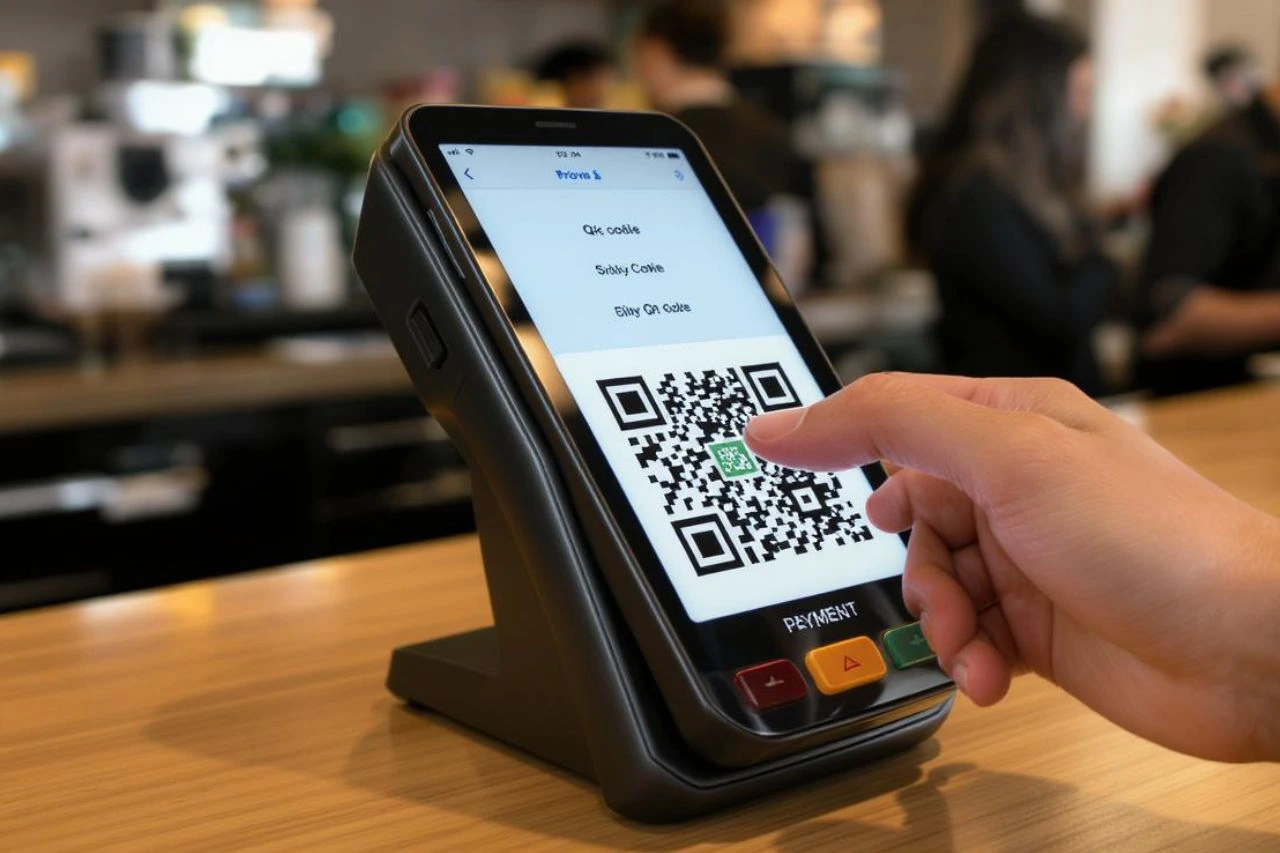
Digital payments have transformed how people pay for goods and services. From small retail stores to upscale dining spaces, QR codes have become a common sight. They offer speed and convenience, which makes them highly appealing. However, as adoption increases, QR code fraud at shops and restaurants is emerging as a serious concern.
At the same time, finance industry updates and technology insights continue to highlight the risks tied to digital payment systems. While QR codes simplify transactions, they also open doors for fraudsters who exploit user trust and lack of awareness.
How Fraudsters Manipulate QR Codes in Real Settings
QR code fraud at shops and restaurants often begins with a simple yet deceptive tactic. Fraudsters replace legitimate QR codes with fake ones that redirect payments to their own accounts. These cloned codes are usually printed and pasted over original payment displays, making them difficult to detect at first glance.
Moreover, in busy environments such as cafes or retail counters, customers rarely verify details before scanning. As a result, payments are completed within seconds, but the money reaches the wrong recipient. In addition, fraudsters may create nearly identical digital payment profiles to confuse users further.
Furthermore, IT industry news frequently reports how attackers use advanced tools to generate QR codes that look authentic. This increases the effectiveness of such scams and makes detection more challenging.
Why Businesses Are Vulnerable to QR Code Fraud
QR code fraud at shops and restaurants thrives on operational gaps and human oversight. Many small businesses rely on printed QR codes that remain static for long periods. This creates an opportunity for fraudsters to tamper with them without immediate detection.
In addition, limited staff training contributes to the issue. HR trends and insights suggest that employees are often unaware of the risks associated with QR based payments. Without proper guidance, they may fail to notice suspicious changes in payment displays.
Moreover, businesses focused on sales strategies and research tend to prioritize customer experience and transaction speed. While this improves service quality, it may reduce attention to security measures.
At the same time, marketing trends analysis shows that brands increasingly promote digital convenience. However, without parallel investment in fraud prevention, these efforts can unintentionally expose customers to risks.
The Financial Impact on Customers and Businesses
The consequences of QR code fraud at shops and restaurants can be significant. For customers, the immediate loss of money is the most visible impact. Since transactions are often completed instantly, recovering funds becomes difficult.
On the other hand, businesses face reputational damage. Even if they are not directly responsible, customers may associate the fraud with the brand. This can lead to reduced trust and lower customer retention.
Furthermore, finance industry updates indicate that repeated fraud incidents can attract regulatory scrutiny. Businesses may be required to strengthen compliance measures, which increases operational costs.
In addition, disputes between customers and merchants can disrupt daily operations. Handling such issues requires time and resources that could otherwise be used for growth initiatives.
How Technology Is Both a Risk and a Solution
Technology plays a dual role in QR code fraud at shops and restaurants. On one hand, it enables fraudsters to create convincing fake codes. On the other hand, it provides tools to prevent and detect such activities.
Advanced payment systems now include verification layers that display merchant details before completing transactions. This allows users to confirm authenticity. Similarly, real time monitoring systems can alert businesses to unusual payment patterns.
Moreover, technology insights reveal that artificial intelligence is being used to identify suspicious behavior. These systems analyze transaction data and flag anomalies, helping organizations respond quickly.
At the same time, integration with secure payment gateways reduces the likelihood of unauthorized redirection. This creates a safer environment for both customers and merchants.
Building Awareness Across Teams and Customers
Addressing QR code fraud at shops and restaurants requires a collective effort. Businesses must educate their staff about potential risks and detection methods. HR trends and insights emphasize the importance of continuous training in digital security practices.
In addition, customers need to be informed about safe payment habits. Simple actions such as verifying merchant names before confirming payments can make a significant difference.
Furthermore, clear communication within stores can enhance trust. Displaying instructions for secure payments reassures customers and reduces the chances of fraud.
Meanwhile, aligning security measures with sales strategies and research ensures that safety does not compromise customer experience. A balanced approach helps maintain both efficiency and protection.
Valuable Insights for Preventing QR Code Payment Fraud
Businesses should regularly inspect their payment displays to ensure authenticity. Routine checks help identify tampering early and prevent potential losses. In addition, switching to dynamic QR codes can reduce the risk of cloning.
Equally important is implementing secure payment platforms that offer verification features. These systems provide an added layer of protection and improve customer confidence.
Moreover, staying updated with IT industry news and finance industry updates enables organizations to adapt to emerging threats. Awareness is a powerful tool in combating fraud.
Encouraging a culture of vigilance among employees and customers further strengthens defenses. When everyone remains alert, the chances of successful fraud decrease significantly.
CFOInfoPro empowers finance decision makers with clear, actionable insights and essential content that supports smarter, more confident financial deci
Source – moneycontrol.com